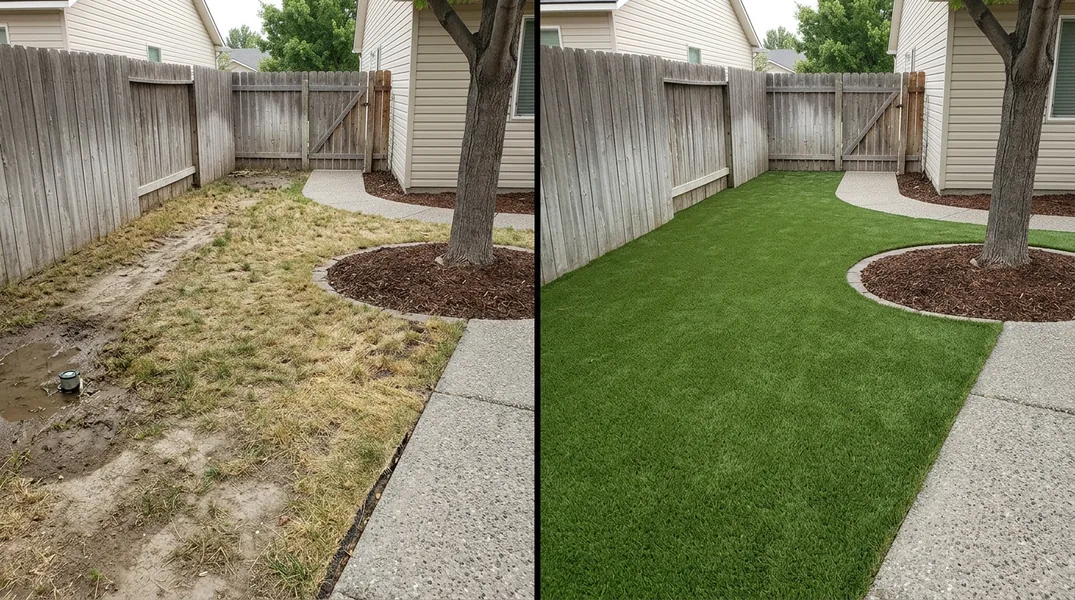
Why Magic Valley Soil Demands Special Attention for Artificial Grass
If you live in Twin Falls or the surrounding Magic Valley, you already know the terrain is unique. The combination of fine silt, volcanic lava rock, and the region's climate creates specific challenges for landscaping projects, especially when installing artificial grass. Unlike homeowners in areas with sandy loam or clay-heavy soil, residents here face drainage complications that can undermine even the best synthetic turf installations if not properly managed.
The silt-based soil common throughout the Magic Valley tends to compact easily and retain water, which is problematic for artificial grass systems. When water pools beneath your turf instead of draining away, it can lead to mold growth, unpleasant odors, algae blooms, and premature deterioration of the backing material. Additionally, the scattered lava rock formations in many yards create uneven surfaces that demand careful grading and leveling before any synthetic turf can be laid. Understanding these local soil conditions is the first step toward a successful, long-lasting artificial grass installation.
What to Put Under Artificial Grass: The Foundation That Matters
The underlay system is the hidden hero of any artificial grass installation. Think of it as the skeleton supporting your new lawn. At Twin Falls Artificial Grass Installation, we emphasize that what you put under artificial grass directly determines how well it performs and how long it lasts. A proper artificial grass underlay isn't just one layer; it's a engineered system designed to handle drainage, provide cushioning, and stabilize the turf against shifting soil and weather extremes.
The ideal base preparation begins with removing existing sod and debris, then grading the subgrade to ensure proper slope for water runoff. Next comes a layer of coarse gravel or crushed stone, typically 2 to 4 inches, which creates the primary drainage pathway. On top of this, we install a geotextile membrane that prevents silt from working up through the gravel while still allowing water to pass through. Finally, a layer of engineered sand or recycled rubber crumb provides the cushioning layer and helps lock the artificial grass fibers in place. For Residential Artificial Grass Installation in Twin Falls, this multi-layer approach is essential because of our local soil composition.
Artificial Grass Drainage: Managing Water Flow in Silt-Heavy Soil
Artificial grass drainage isn't a luxury in the Magic Valley; it's a necessity. The fine silt that makes up much of Twin Falls' native soil can clog traditional drainage systems if not properly managed during installation. Water that should drain away in minutes can instead pool for hours or even days, creating conditions that damage the turf backing and create muddy patches around your yard. This is why professional drainage design is so critical for any artificial turf project here.
Proper artificial grass drainage relies on creating multiple pathways for water to escape the system. The gravel base layer acts as the primary drainage layer, with water percolating down and away from the root zone of your synthetic turf. The geotextile membrane prevents fine silt particles from migrating up into the gravel, which would eventually clog the drainage system and defeat its purpose. We also slope the subgrade slightly (typically 1 to 2 percent grade) to encourage surface water runoff toward the yard's natural drainage patterns or toward designated drainage areas. In yards with particularly poor natural drainage, we may recommend installing a French drain or perforated drainage pipe beneath the artificial grass to ensure water doesn't accumulate. For homeowners with pools or planning Pool Surround Turf, drainage becomes even more critical since splash water and chemical runoff require robust drainage systems.
Turf Base Prep in Twin Falls: Step-by-Step Installation Process
Turf base prep is where the real work happens, and it's where cutting corners leads to problems down the road. The process begins with a thorough site assessment. Our team evaluates the existing soil composition, identifies low spots that might trap water, checks for underground utilities, and determines the overall slope of your yard. For many Twin Falls homeowners, we discover that native lava rock formations require careful excavation and removal to create a level surface. This isn't wasted effort; it's essential foundation work.
Once the site is prepared, we remove all existing vegetation and debris, then compact the subgrade to create a stable base. Next comes the gravel layer, which we spread and compact to eliminate voids that could cause settling later. The geotextile membrane is carefully laid over the compacted gravel, overlapping at seams to prevent silt migration. Finally, we install the cushioning layer, which might be engineered sand, recycled rubber crumb, or a combination depending on your specific needs and budget. Throughout this process, we maintain proper drainage slope and check elevation frequently to ensure water will flow away from your home's foundation and toward appropriate drainage areas. Proper turf base prep typically takes 1 to 2 days for a residential yard in Twin Falls, depending on size and existing site conditions.
Artificial Grass Underlay Options: Choosing What Works for Magic Valley
Not all artificial grass underlay systems are created equal, and the best choice for your Magic Valley yard depends on several factors including existing drainage, budget, and intended use. The most common option is a two-layer system combining crushed stone with geotextile and a sand or rubber crumb cushion layer. This approach provides excellent drainage, good cushioning for foot traffic, and reasonable cost. For homeowners with particularly problematic drainage or those installing Pet Turf & Dog Run Installation, we sometimes recommend recycled rubber crumb as the top cushioning layer because it provides superior drainage, better odor control, and enhanced durability under heavy use.
Another consideration is permeable paving or recycled asphalt as the base layer, which some Twin Falls homeowners prefer because it compacts more firmly than gravel and provides a more stable, permanent base. However, this option typically costs more and may not drain as effectively in our silt-heavy soil without excellent geotextile protection. For yards with existing hardscape or those near Jerome and Kimberly where space is limited, we've had success with engineered foam underlayment systems that combine cushioning with integrated drainage channels. The right choice depends on your specific situation, and we recommend getting a free estimate to discuss which underlay system best suits your yard and budget.
Long-Term Maintenance: Protecting Your Investment After Installation
Proper base prep and underlay installation create the foundation for long-term success, but your role doesn't end when the artificial grass is laid. Ongoing maintenance ensures your investment continues to perform well for 15 to 20 years or more. Regular brushing of the turf fibers keeps them standing upright and maintains the natural appearance of your lawn. Periodic rinsing removes dust and debris that can accumulate on the surface, especially during Twin Falls' dry season.
Watch for signs that your drainage system might need attention, such as water pooling after rain or irrigating, soft spots in the turf, or musty odors. These can indicate that the geotextile membrane has been breached or that silt has begun migrating into the gravel layer. If you notice these issues, contact Twin Falls Artificial Grass Installation at (208) 595-5012 for an inspection. We can often address minor drainage problems by adding additional drainage channels or replacing compromised sections of the underlay system. With proper installation and basic maintenance, your artificial grass will remain a beautiful, functional addition to your home for years to come.
Looking for a professional artificial grass installation company in Twin Falls? Twin Falls Artificial Grass Installation responds fast for all your artificial grass installation needs.
Get a Free Quote